Are Tipping Point UK and Zero Hour high impact (£ for £)?

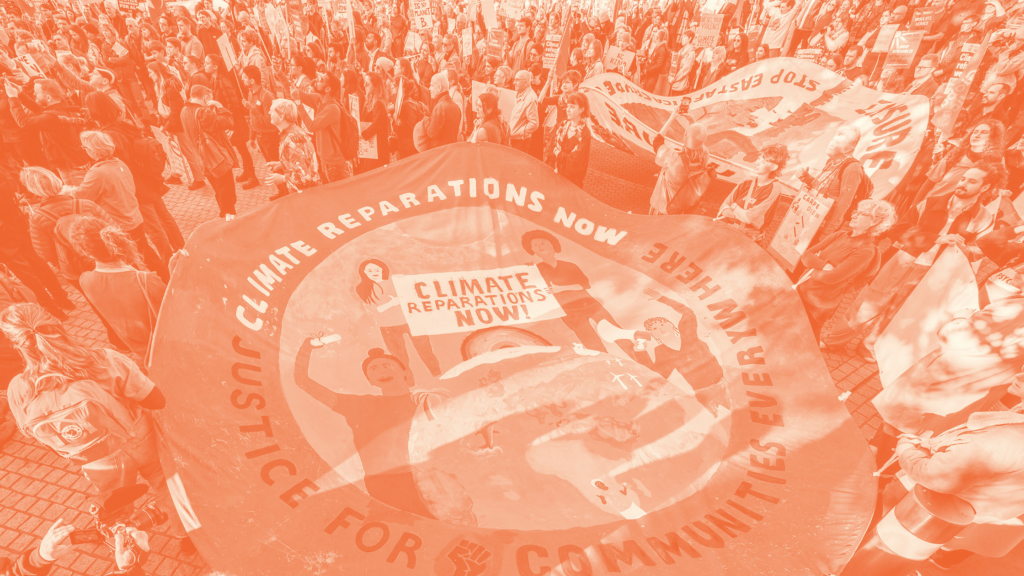
If you consider their nationwide reach, how they are organised, their objectives and results, Tipping Point and Zero Hour are two of the highest impact organisations in the climate, nature and social justice space, certainly in the UK and possibly in the world.
Donations will be matched from 22 April to 29 April for Tipping Point UK and for Zero Hour.
Reach
We supported 585 movements to build Movement Power. 121 trainings reaching over 2,500 organisers from 851 organisations. Provided 151 groups with free access to professional digital tools. Recruited over 75,000 new members to group mailing lists. We printed & distributed Zines to 276 grassroots groups. Tipping Point UK
Our movement grew to over 75,000 supporters—our largest supporter base ever—and it continues to grow as we increase our reach in local constituencies. Uniquely our grassroots campaigner network extends to all 650 constituencies in the UK. Zero Hour
Impact
The biggest impact Tipping Point and Zero Hour have is in how they help empower local communities and citizens to mobilise and engage with the local issues they face and influence policy at the government and parliament level. This in turn helps the whole of the United Kingdom reach positive social tipping points faster.
The climate, pollution and nature crisis is a crisis of inequality and injustice. Tipping Point and Zero Hour help reduce inequality and hold polluters to account through community-based action and by organising communities’ influence over government and parliament policy (see Results for examples).
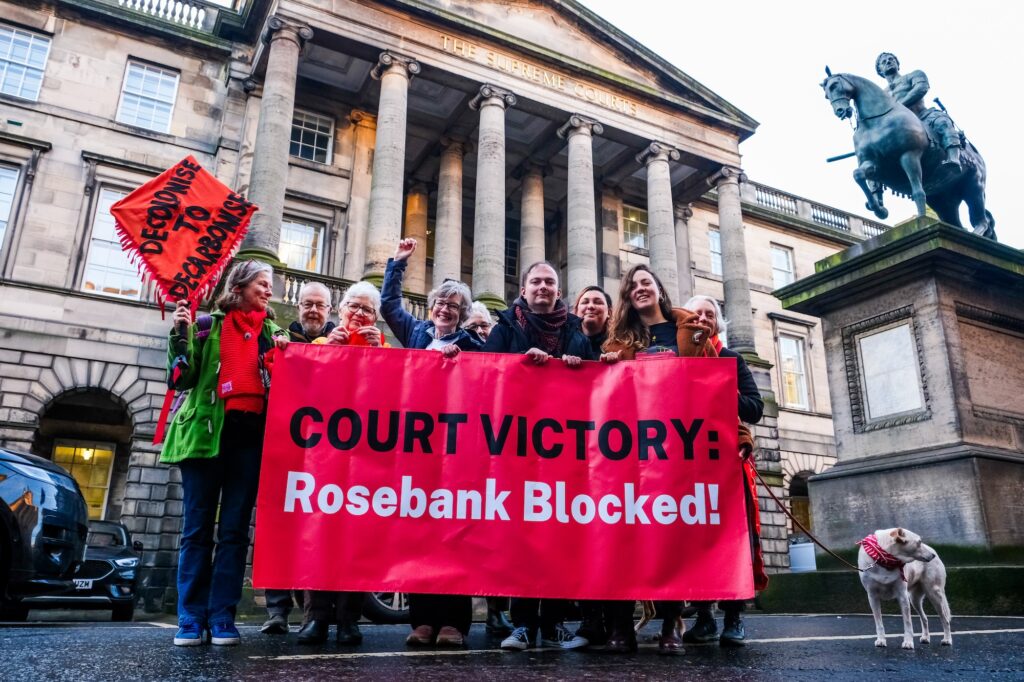
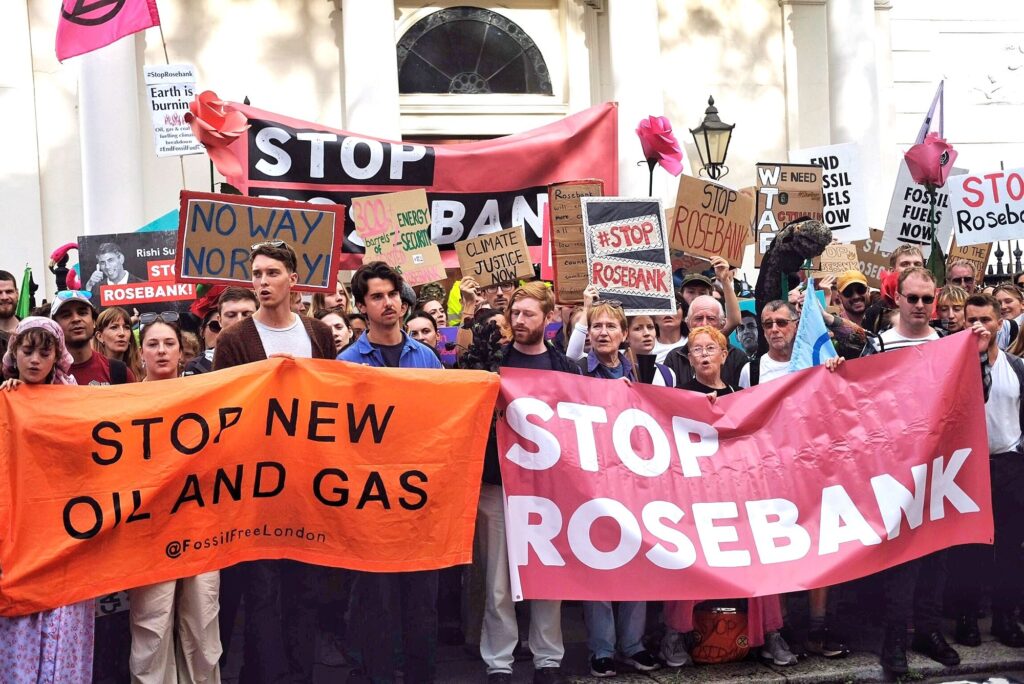
Measuring tonnes of CO2e avoided or prevented per £ is a crude proxy for the impact grassroots organisers such as Tipping Point and Zero Hour have, but can be applied to many different organisations. One UK study showed how each £ invested in organisations such as Extinction Rebellion avoided 13 tonnes of CO2. In Tipping Point’s case this would correspond to 6.5 million tonnes of CO2 avoided given Tipping Point’s annual budget of about £0.5 million. Just stopping Rosebank constitutes 250 million tonnes avoided over 25 years so 10 million tonnes per year. Of course there is a broad alliance to Stop Rosebank that is supported by Tipping point. (1)
Thanks to Tipping Point and Zero Hour’s mobilisation of informed local communities £billions could be raised from the super rich and litigated for from polluters and instead of being misspent on e.g. carbon capture and storage (£22 billion) or Hydrogen (both incompatible with a 1.5C path). These £billions would go instead toward local communities’ real needs and commons such as clean cheaper energy, insulation, preserving nature, clean water, free or cheap public transport for all, pedestrian and bike infrastructure etc.
Results
Tipping Point UK
Make Polluters Pay Develop and nurture a community-led network to demand that polluters pay climate reparations that improve
the lives and resilience of frontline communities in the UK and the global south.
- We provided the infrastructure to support a diverse network of 50+ distributed, grassroots-led campaigns calling for climate reparations.
- From groups fighting fuel poverty and demanding free Energy for All, to funding for Fare Free Transport to those targeting MPs to support the Make Polluters Pay Bill.
- Together we mobilised in September with 100+ organisations to demand the Government tax the super-rich and pollutersand make them pay.
- We’ve supported and amplified game-changing legal cases such as the Justice for Niger Delta case against Shell or the Filipino families harmed and killed by Typhoon Odette who are suing Shell for reparations
- In December 2025 we also co-filed vs the UK government over the failure of its climate response, along with Good Law Project and dozens of grassroots groups representing communities around the UK
Strengthen Movement Power Ensure the UK has a powerful and thriving movement ecology of grassroots groups with enough trust and
relationships to regularly engage in strategic and intersectional collaboration.
Boycott Bloody Insurance Grow the power of communities to run institutional boycott campaigns against the financiers of fossil fuels, migrant detention,
arms and Israeli apartheid industries by bringing together Palestinian liberation, climate justice and migrant justice and other groups.
Zero Hour
1. CLIMATE + NATURE STATEMENT Following the Climate and Nature Bill’s Second Reading, on 14th July 2025, Ed Miliband delivered the first-ever Climate and Nature Statement and committed to making it an annual event. An entire day in the House of Commons was dedicated to the urgency of the climate and nature crisis,
2. UNLOCKING BENEFITS Zero Hour has long called for a joined-up approach to climate and nature. On the day of the CAN Bill debate DEFRA and DESNZ released the report titled ‘Unlocking benefits for people, nature and climate’. The paper sets out how the Government will better integrate their plans and policy, highlighting the many advantages of doing so.
3. BETTER COLLABORATION The Joint Nature Conservation Committee (JNCC) and The Climate Change Committee (CCC) signed a MOU, strengthening their collaboration and committing to share data and align policy. Better integration between the two scientific advisers on climate and nature policy signals a clear commitment to a more coordinated and strategic approach.
4. MORE EMISSIONS INCLUDED The Government established and funded the Production and Consumption Transformation Centre (PACT) to strengthen the evidence base for policy on consumption emissions. When these emissions are included in the UK’s overall footprint, the picture changes significantly. Hosted by the University of Leeds, this centre is a critical step in addressing this longstanding gap.
5. ENERGISING BRITAIN The Government has published a Net Zero public participation strategy (Energising Britain) in response to the CAN Bill’s emphasis on involving citizens more in decision making. Linked to the CAN Statement, the strategy provides an opportunity to involve the public meaningfully, showcase best practice and success stories for policy, and strengthen cross-departmental working.
(1) In « How to Change the World Without Leaving Your Couch » I argue that as long as you can reasonably argue that Rosebank (in this case) may have gone ahead had Tipping Point not existed then you could count the tonnes of CO2 avoided. This presupposes double counting may be going on between different grassroots movements. Let us not forget how crude this proxy for impact is however. Is it reasonable to for instance to find that Tipping Point could play a determining role in preventing up to 10% of UK’s 400 million tonnes in emissions? Similarly Zero Hour’s grassroots orchestrated support for the Climate and Nature Bill helps close the approximately 70 million tonnes gap by 2030 between current policy and a 1.5C pathway.